Column · @cashwmvn955
The Complete Homeowner’s Guide to Tree Removal Metairie
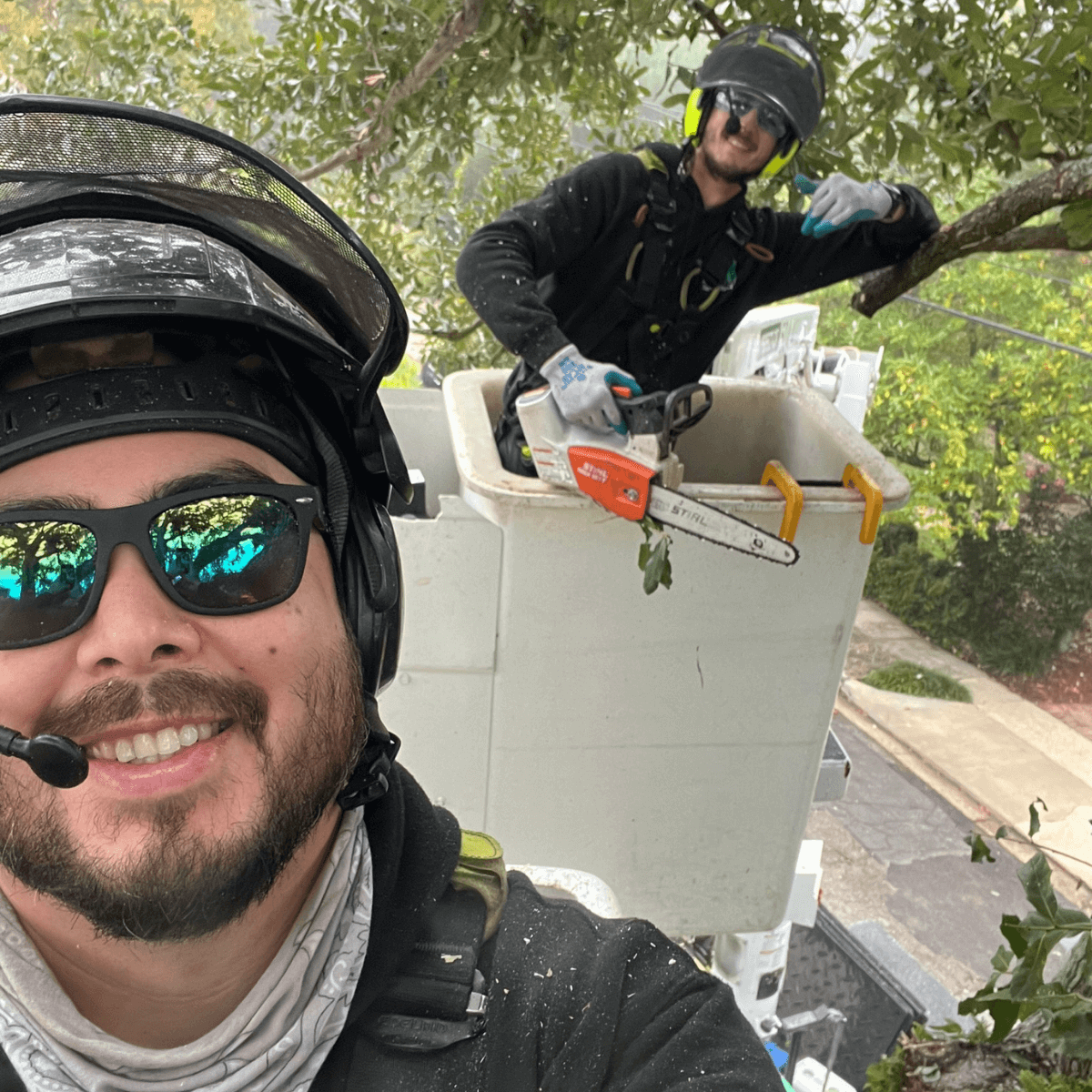
Trees do a lot of quiet work around a home in Metairie. They cast shade over patios that would otherwise bake through most of the year. They soften the look of a roofline, buffer street noise, and in some cases add real value to a property. But there comes a point when a tree stops being an asset and starts becoming a liability. In South Louisiana, that shift can happen fast. Heavy rain, saturated soil, hurricane winds, lightning, decay, and cramped suburban lot lines create conditions where tree failure is not rare, and the damage can be expensive.
That is why tree removal is not just a landscaping decision here. It is often a safety decision, a property protection decision, and sometimes an insurance decision. Homeowners searching for tree removal Metairie services are usually dealing with one of three situations. The tree is obviously dangerous, the tree is declining and they are trying to act before a storm does it for them, or the tree has become incompatible with the house, driveway, sewer line, fence, or future project.
The hard part is that removal is permanent. Once a mature tree is gone, the shade, character, and years of growth go with it. Good decisions come from understanding when removal is truly necessary, what the job involves, what it should cost, and how to avoid the mistakes that turn a straightforward project into a damaged roof or a legal dispute with a neighbor.
Why tree removal in Metairie is its own category
Tree work looks different in Metairie than it does in drier regions or on large rural lots. The local environment changes the risk profile.
Soils here often stay wet for long stretches, especially after heavy summer rains or during storm season. Trees that appear stable can lose root support when the ground softens. Add wind load from a broad canopy, and a tree with no obvious trunk defect can still lean or uproot. Large live oaks are a classic example. They are strong trees, but they can also become extremely heavy and wide. A mature oak limb over a roof is not something to ignore just because the leaves still look healthy.
Space is another factor. Many properties in Metairie are not sprawling estates with generous setbacks. Houses, garages, fences, pools, and neighboring structures often sit close to the tree. That means removal is usually a technical rigging job, not a simple cut-and-drop operation. Pieces may need to be lowered by rope, guided around power lines, or lifted out with a crane if access allows.
Then there is the weather. People who have lived through enough Gulf Coast storm seasons tend to take dead or compromised trees more seriously than homeowners in calmer climates. A tree that might stand for another year in mild conditions can fail tomorrow in a tropical event. Timing matters more here.
Removal versus trimming, when the tree can still be saved
Not every problem tree needs to come down. A surprising number of trees can be made safer with proper pruning, weight reduction, deadwood removal, cabling, or root zone care. I have seen homeowners assume a tree was finished because one side looked sparse, only to find out the issue was storm damage plus poor pruning from years earlier. I have also seen the opposite, where a tree looked leafy and full but had extensive internal decay that made it dangerous.
A reputable arborist or experienced tree contractor should be able to explain why removal is recommended instead of pruning. The explanation should be concrete. You want to hear things like trunk cavity extent, percentage of dead canopy, root plate movement, included bark at a major union, lean progression, fungal fruiting bodies near the base, or repeated limb failure over occupied areas. You do not want vague language that boils down to “it might be a problem someday.”
Trees are often removed for a combination of reasons rather than one dramatic defect. A decent-sized water oak with past storm damage, codominant stems, fungal decay at the base, and a canopy over the bedroom roof may not look catastrophic to the untrained eye. To a skilled professional, it may be a poor candidate for long-term retention.
Signs a tree may need removal soon
Some warning signs justify quick action, especially before the next major weather event:
- Fresh leaning, especially if the soil near the base is lifting or cracking
- Large dead limbs over the house, driveway, or neighbor’s property
- Mushrooms or fungal growth around the trunk flare or root zone
- Major trunk cavities, deep cracks, or bark seams that are widening
- Sudden canopy thinning in a mature tree during the growing season
One caution here: a single symptom does not always equal removal. Mushrooms, for example, can mean several different things depending on species and location. The point is not to diagnose the tree yourself. The point is to recognize when you need an informed opinion quickly.
What causes tree failure around local homes
Homeowners often focus on what they can see above ground, but many removals begin with problems below grade. Root damage is one of the biggest hidden drivers of failure. Trenching for utilities, driveway work, patio installation, and grade changes can injure roots years before a tree declines enough for the damage to become obvious. By the time the canopy starts looking thin, the structural root loss may already be significant.
Poor pruning is another common issue. Topping a tree, making flush cuts, stripping out interior growth incorrectly, or letting an unqualified crew hack away at major limbs often creates long-term defects. Weakly attached regrowth can become a storm hazard. Open wounds can invite decay. A homeowner may think they are reducing risk, while actually setting up a bigger failure later.
Species matters too. Fast-growing trees can be useful, but some have weaker wood, shorter lifespans, or root systems that behave badly near hardscape and pipes. That does not mean every fast-growing tree is doomed. It means the maintenance burden is different, and in a hurricane-prone region that difference becomes expensive.
The tree inspection, what a good assessment looks like
A quality assessment is specific, measured, and grounded in observable conditions. The contractor should look at the canopy, trunk, major scaffold limbs, root flare, soil condition, targets below the tree, and access for equipment. They should also ask sensible questions. How long has the lean been there? Was there recent construction nearby? Did the tree drop large limbs during the last storm? Have you noticed sawdust, cavities, or mushrooms? Is the tree near a septic line, sewer line, or pool deck?
Good tree professionals also distinguish between risk and nuisance. Leaves in the gutters, acorns on the driveway, and surface roots in the lawn may be annoying, but they do not automatically justify removal from a structural standpoint. On the other hand, a large limb union with included bark over a child’s play area deserves serious attention even if the tree looks handsome from the street.
If the tree is close to a property line, the inspection should include a conversation about ownership and access. People are often surprised by how complicated this becomes. A trunk can stand wholly on one property while limbs extend dramatically over another. A fence line does not always settle the question. If there is any uncertainty, it is wise to clarify boundaries before the saws start.
How the removal process usually unfolds
The actual removal depends on the tree’s size, condition, and location. A small ornamental tree in an open yard may be taken down quickly with straightforward directional cutting. A large oak over a house is a different kind of project entirely. That job might involve climbing, sectional dismantling, rigging lines, friction devices, lowering blocks, protective mats, and possibly a crane.
The sequence usually starts with a work-zone setup. Crews establish where debris will land, where equipment will sit, and how they will protect turf, pavement, roofs, or landscape beds. In tight suburban neighborhoods, traffic control and communication with neighbors may also matter. Then the canopy is reduced in controlled sections. Branches are cut and lowered or dropped into planned zones. Larger wood is removed next, followed by the trunk in segments. The stump may be left low, cut flush, or ground out, depending on what the homeowner wants.
One thing that separates a professional crew from a reckless one is pace. The best teams are rarely the loudest or most dramatic. They move deliberately. They control each piece. They do not rush cuts over roofs or improvise around utility lines. Tree removal done well often looks uneventful, and that is exactly the point.
Permits, utilities, and the questions to ask before work begins
Permit requirements can change, and they vary by location, tree type, and project context. In Metairie, homeowners should not assume that every removal is permit-free or that every contractor handles the paperwork automatically. If the tree is protected, sits in a regulated area, or is tied to a larger renovation, extra steps may apply. The safest move is to ask your contractor directly what approvals, if any, are needed and to verify with the relevant local authority when in doubt.
Utilities deserve special attention. Overhead power lines are an obvious hazard, but underground lines matter too. Irrigation, gas, water, sewer, and communication lines can all be affected by stump grinding or heavy equipment. Competent companies account for this before the job starts, not when sparks fly or a neighborhood loses service.
Before you approve a proposal, get clear answers to these points:
- Who is responsible for permits or local approvals, if any are required
- Whether the price includes haul-away, cleanup, and stump grinding
- How the crew will protect roofs, fences, lawns, and nearby planting beds
- What insurance coverage the company carries for workers and property damage
- Whether utility coordination is needed before cutting or grinding
Those five questions eliminate a remarkable amount of confusion.
What tree removal should cost, and why prices vary so much
Homeowners often ask for a ballpark figure first, and that is fair. But tree removal pricing has wide ranges because the difference between a modest backyard job and a high-risk technical removal is enormous.
A small tree in open space may cost a few hundred dollars. A large tree over structures with difficult access, extensive rigging, and full debris haul-off can run into the thousands. Crane work can increase the price significantly, though in some cases it actually lowers total risk and labor time enough to be worth it. Stump grinding is often priced separately. So is log splitting, firewood stacking, or extra cleanup beyond the standard rake and blow.
The biggest cost drivers are usually size, access, proximity to targets, complexity of rigging, need for specialized equipment, and disposal volume. Emergency work costs more, especially after storms when demand spikes and access becomes harder. Rotten trees can also cost more because they are less predictable and require more caution.
Be wary of bids that are dramatically lower than the rest. There is a difference between efficiency and corner-cutting. An uninsured crew with a pickup truck can appear cheap right up until they crack a driveway, tear a roof, or injure someone on your property.
Why insurance and licensing questions matter
Tree work combines heights, chainsaws, suspended loads, and unpredictable wood behavior. It is one of those trades where paperwork matters because the consequences of getting it wrong are serious.
Ask for proof of liability insurance and workers’ compensation coverage where applicable. Do not accept vague verbal assurances. If a worker is injured and the company is not properly covered, the situation can become ugly fast. If a limb damages your house or your neighbor’s car, you want to know who is paying before the first cut is made.
Licensing rules can vary by trade category and locality, so the exact credential you should expect may differ. Rather than assuming, ask the company what credentials they hold and how those credentials apply to tree removal work in your area. A serious operator will not be offended by the question. They deal with it all the time.
Emergency removals after storms
After a severe storm, homeowners often have to decide quickly. The priorities are not aesthetics. They are safety, stabilization, and preventing further damage.
If a tree is on the house, leaning into power lines, or hung up under tension, keep your distance and call professionals. Storm-damaged trees store force in ways that are easy to underestimate. A partially split limb can whip violently when cut. A trunk that appears settled can roll unexpectedly. A root plate lifted out of wet soil can drop back into place with crushing force.
Post-storm demand also brings out opportunists. Every area sees it. Trucks appear overnight, offering cash deals and immediate service. Some are capable crews helping meet real need. Others are not insured, not careful, and gone as soon as the neighborhood dries out. In storm conditions, documentation matters even more. Take photos before work if it is safe to do so, especially if you plan to file an insurance claim.
Stump grinding, root issues, and what happens after the tree is gone
Many homeowners think of removal as done when the trunk leaves the property. In practice, the stump and root system still affect what comes next.
If you plan to replant in the same general area, build a patio, pour a driveway extension, or level the yard, stump grinding deserves discussion up front. Grinding removes the visible stump and some upper roots, but it does not extract every root from the soil. That is usually fine. Most roots decompose over time. Still, the leftover void, chips, and settling can affect future planting or construction. If the location is close to utilities or hardscape, the method and depth of grinding matter.
There is also a design question after removal. A mature tree leaving the landscape changes heat, light, drainage patterns, and privacy. I have seen homeowners remove one large shade tree and then realize their west-facing rooms are much hotter by late afternoon. Replanting with the right species in the right place can soften that loss over time, but only if it is planned thoughtfully.
Neighbor concerns and property-line complications
Tree removal gets tense when branches hang across fences or when a shared visual landmark is about to disappear. Even when you are clearly within your rights, communication goes a long way.
If equipment needs access near a boundary, tell the neighbor ahead of time. If limbs may be lowered into or near their yard, discuss it before the work date. If the tree provides shared shade or screening, expect a reaction. People get attached to trees, sometimes more than homeowners realize.
Property-line disputes are where good intentions stop helping. If ownership is unclear, do not rely on casual assumptions. Check your survey if you have one. If there is real disagreement, pause and get clarity. The cost of a delay is usually much lower than the cost of a legal mess after the fact.
Choosing the right company for tree removal Metairie homeowners can trust
There is no shortage of companies advertising tree work, but the quality spread is wide. Some are highly skilled specialists with trained crews, proper equipment, and a strong safety culture. Others are basically landscape laborers with chainsaws.
Look for companies that ask detailed questions, inspect carefully, explain their recommendations clearly, and provide written proposals that spell out scope. The estimate should state whether debris removal is included, whether the stump is included, how access will be handled, and what cleanup means. “Complete cleanup” sounds nice, but it can aperfectcuttree.com tree removal metairie mean very different things from one operator to another.
Experience with local tree species and storm conditions matters. A crew that regularly handles live oaks, storm-damaged pines, tight lot removals, and wet-soil conditions in this area will make better judgment calls than one that mainly does light trimming on open suburban lots. For homeowners seeking tree removal Metairie services, local familiarity is not marketing fluff. It affects safety, logistics, and often price accuracy.
Pay attention to how a contractor talks about risk. The best ones do not sound reckless or theatrical. They do not promise that every job is easy. They talk about control, sequencing, access, and contingency planning. That is the language of people who have seen how quickly a routine cut can become a preventable accident.
Common mistakes homeowners make
One of the most expensive mistakes is waiting too long on a clearly declining tree because it still has leaves. Leaf-out is not a full health certificate. Trees can push foliage while serious structural issues are developing elsewhere.
Another mistake is hiring based on the lowest quote without understanding the scope. One bid may include rigging, haul-away, stump grinding, and surface cleanup. Another may be little more than cutting the trunk and leaving the mess behind. Apples-to-apples comparison matters.
There is also the temptation to DIY small removals. Homeowners often underestimate how little wood it takes to damage a fence, crush a shed roof, or cause a severe injury. The chain saw itself is only part of the danger. The real risk is tension, compression, kickback, unstable footing, and unpredictable piece movement. If the tree is near a structure, utility, or neighbor’s yard, amateur removal stops being a money-saving idea very quickly.
A practical way to decide
If you are unsure whether a tree should be removed, think in terms of targets, timing, and trajectory.
Targets are what the tree could hit: house, cars, fence, people, power lines. Timing is whether the risk is acceptable through the next storm season or whether action should happen now. Trajectory is where the tree’s condition is heading based on visible defects and recent changes. A healthy tree with a manageable pruning issue is one thing. A declining tree with defects over a roof in hurricane country is another.
Most homeowners do not need to become amateur arborists. They just need enough understanding to ask the right questions and recognize when delay is more expensive than action. Tree removal is never the most sentimental part of property care, but in the right circumstances it is the responsible choice. Done well, it protects the house, the people in it, and the landscape that remains.
A Perfect Cut Tree Service
4725 Shores Dr, Metairie, LA 70006
+1 504-732-0779
FAQ About tree removal metairie
What is the average cost of tree removal in my area?
There is no single price that fits every tree. Size, condition, access, nearby structures, equipment, debris hauling and stump work affect the estimate. Request a written, site-specific quote that identifies what is included.
Who will remove trees for free?
Free removal is not generally available for ordinary private-property tree work. Utilities or public agencies may handle trees within their responsibilities. Confirm eligibility directly and do not assume that an offer or assistance program covers your tree.
Can I just cut down a tree in my yard?
Check ownership, location and local requirements first. Jefferson Parish requires a permit for removal of qualifying vegetation in the public right-of-way, and additional protections may apply in designated areas. Ask the parish about your property and have a qualified tree professional assess the work.